Your healthcare needs don't stop with doctor visits and hospital care.
Dental exams, eyeglasses, hearing aids, and other routine services can become a significant part of your healthcare budget—especially as you get older.
But Original Medicare generally doesn't cover routine dental care, routine eye exams for glasses, or hearing aids.
That's where separate dental, vision, and hearing coverage can help.
At Senior Savings Network, we can help you review available coverage and understand how these benefits may fit alongside your Medicare or other health insurance.
COMPARE DENTAL, VISION & HEARING OPTIONS
Dental, vision, and hearing plans are designed to help with services that may not be included in your primary medical coverage.
Depending on the policy, one plan may combine all three types of benefits, or coverage may be offered separately.
Benefits vary by insurance company and plan, so it's important to understand exactly what's included before enrolling.
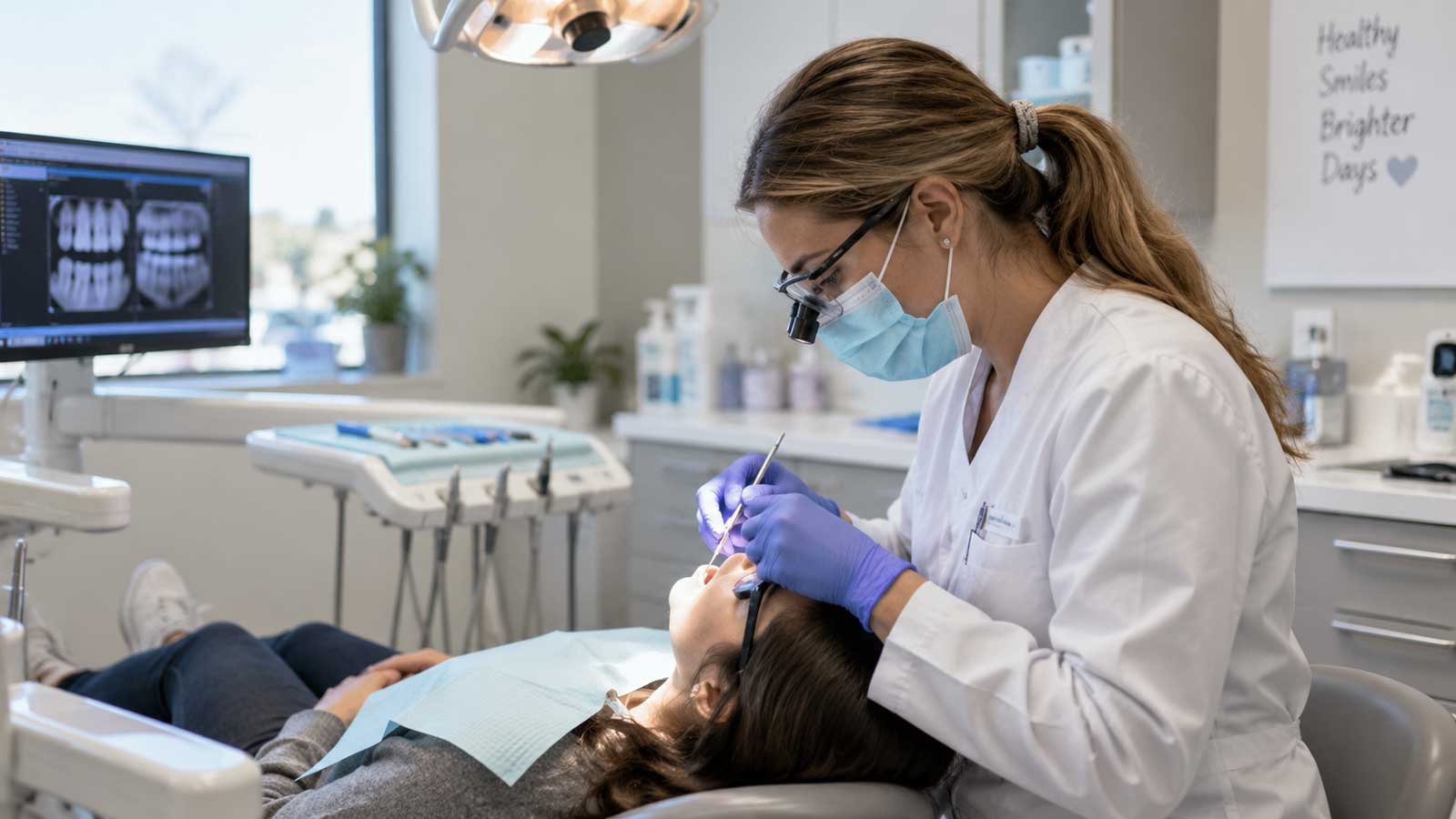
Dental insurance can help reduce the cost of routine and more extensive dental care.
Depending on the plan, covered services may include:
Plans may pay preventive services differently from major dental work.
Some policies may also include:
Don't compare dental plans based only on the monthly premium.
Look closely at what the plan actually pays for the dental services you're most likely to need.
Vision insurance can help with the cost of routine eye care and corrective lenses.
Depending on the plan, benefits may include:
Plans may provide a set allowance toward glasses or contacts rather than paying the entire cost.
If you already have an eye doctor or optical provider you prefer, check whether they're included in the plan's network.
Hearing care can become expensive, particularly when hearing aids are involved.
Depending on the policy, hearing benefits may help with:
Some plans provide a fixed allowance toward hearing aids, while others may offer access to specific hearing aid models through a participating network.
Pay attention to how often hearing aid benefits renew and how much the plan contributes.
Original Medicare provides important medical coverage, but it doesn't generally cover many routine dental, vision, and hearing services.
That can leave you paying out of pocket for expenses such as:
A separate dental, vision, and hearing plan can help make some of those expenses more predictable.
Many Medicare Advantage plans include some level of dental, vision, or hearing benefits.
But those benefits vary widely from one plan to another.
Before purchasing separate coverage, check what your Medicare Advantage plan already provides.
Ask:
Having a benefit listed on your plan doesn't necessarily mean every service is covered in full.
Understanding the details can help you determine whether additional coverage is worth considering.
Not every dental, vision, and hearing policy works the same way.
Before enrolling, review:
The right plan isn't necessarily the one with the most benefits on paper.
It's the one that provides useful coverage for the care you're actually likely to need.
Dental, vision, and hearing expenses can add up quickly when they're not included in your primary health coverage.
Senior Savings Network can help you review the plans we offer and understand how the benefits work before you enroll.